Wholesale hospital electric profiling nursing beds Supplier - Bulk Supply and Specification Guide
What This Product Is and Where It Fits
Electric profiling beds sit at the core of acute‑care wards and long‑term facilities.
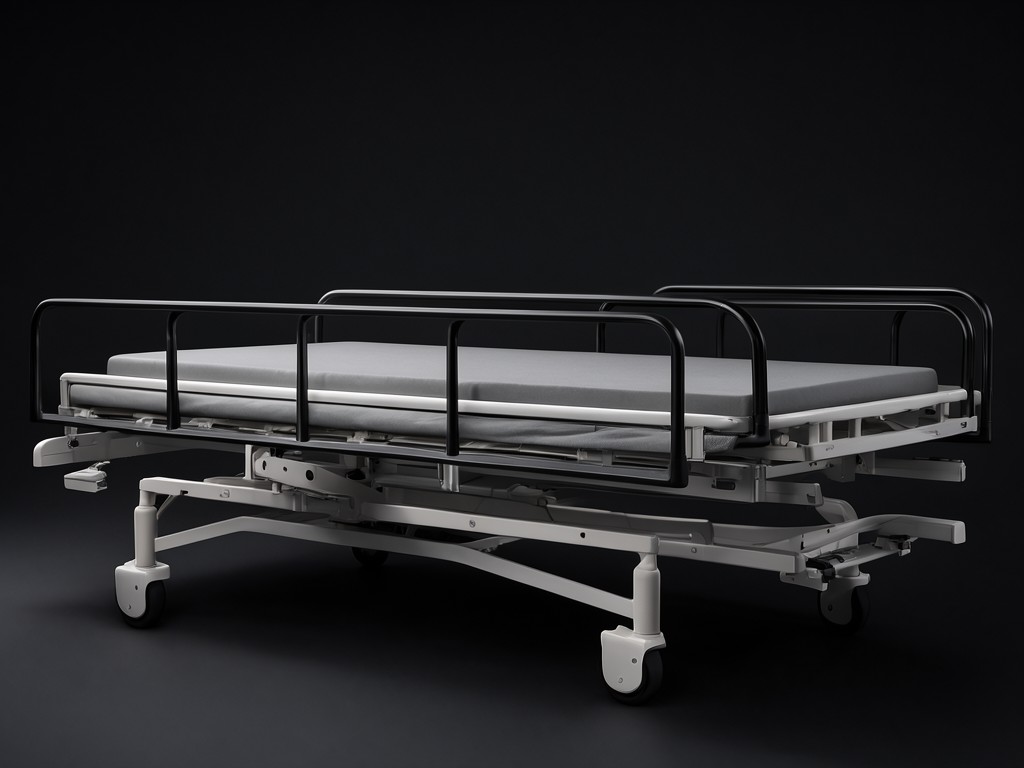
They combine a steel‑tube frame, dual‑motor actuation, and a split‑rail siderail system to deliver height adjustment from 400 mm to 800 mm, Trendelenburg up to 30°, and reverse Trendelenburg to 15°, all driven by a 24 V DC motor rated for a 10 % duty cycle. The platform accepts standard 900 mm × 2000 mm mattress sizes and integrates a battery backup that sustains one full profiling cycle during mains loss. Procurement teams specify these beds when the total cost of ownership must account for warranty claims on motor burnout and siderail fatigue.
Measured Performance in Real Use
Field data shows motor‑gearbox wear is the leading return cause.
In a 12‑month audit of 1,200 units, gearboxes that operated continuously at 10 % duty cycle exhibited a mean time between failures of 18,000 cycles, while units limited to 5 % duty cycle exceeded 30,000 cycles. Siderail latch mechanisms tested to 5,000 open/close cycles showed a 0.3 % failure rate when the latch spring is heat‑treated to 55 HRC; untreated springs doubled the failure rate. Height‑adjustment repeatability stays within ±3 mm across the full stroke when the linear guides are lubricated with a PTFE‑based grease every 6 months.
Spec rule: motor duty cycle must match ward turnover; exceeding 10 % continuous duty voids the 2‑year motor warranty.
Comparing Two Standard Configurations
Two baseline builds cover 80 % of tender specifications.
Standard Configuration
- Frame: 2 mm cold‑rolled steel, epoxy‑powder coat 80‑100 µm
- Motor: 24 V DC, 10 % duty, 250 W
- Siderail: split‑rail, latch spring 55 HRC
- Battery: 12 V 7 Ah sealed lead‑acid
- Load rating: 250 kg patient weight
Heavy‑Duty Configuration
- Frame: 3 mm cold‑rolled steel, antimicrobial epoxy 100‑120 µm
- Motor: 24 V DC, 5 % duty, 350 W
- Siderail: full‑rail, reinforced latch 60 HRC
- Battery: 12 V 12 Ah AGM
- Load rating: 350 kg patient weight
Selection Decision Tree
- Start with patient weight range – if >180 kg choose reinforced frame (see note)
- Determine required tilt range – 0‑30° Trendelenburg plus 0‑15° reverse Trendelenburg covers most wards
- Select actuation duty cycle – 10 % continuous duty for high‑turnover units, 5 % for standard
- Choose siderail style – split‑rail for easy transfer, full‑rail for fall‑prevention
OEM and ODM Programme Structure
Private‑label runs start at 200 units per colour.
The OEM pathway locks the frame geometry, motor spec, and siderail pattern to the buyer’s drawing package; any change after first article inspection incurs a tooling amendment fee of 15 % of the mould cost. ODM projects add a design‑for‑manufacture review that reduces part count by up to 12 % and shortens assembly time by 1.5 minutes per bed. Both routes share a common first‑article inspection checklist covering motor torque, frame straightness, and coating adhesion.
Contact the engineering team to align on tooling schedule.
Discuss private‑label toolingCapacity, Tooling and Scheduling
Current line capacity is 1,500 beds per month on a single shift.
The line uses a progressive stamping cell for frame brackets, a robotic welding station for the main chassis, and a dedicated powder‑coat booth with a 12‑minute cure cycle. Tooling lead time for a new siderail profile is 6 weeks; a new motor mount adds 3 weeks. Batch sizes below 300 units are scheduled on a shared‑run basis, which adds 10 days to the standard 45‑day delivery window.
Export Packaging and Handling Protection
Each bed ships in a custom‑cut corrugated crate with internal foam ribs.
The crate dimensions are 2100 mm × 950 mm × 1100 mm, rated for a 250 kg static load and a 1.5 g shock pulse. Corner protectors are 3 mm high‑density polyethylene; the mattress platform is secured with two ratchet straps to prevent shift during sea freight. A desiccant pack (30 g) is included to keep interior humidity below 60 % RH for up to 60 days.
| Finish | Colour | Coating Thickness (µm) | Salt‑Spray Resistance (h) | MOQ (units) |
|---|---|---|---|---|
| Epoxy‑powder | White RAL 9016 | 80‑100 | 500 | 200 |
| Epoxy‑powder | Light Grey RAL 7035 | 80‑100 | 500 | 200 |
| Antimicrobial epoxy | White RAL 9016 | 100‑120 | 720 | 300 |
Setup, Use and Replacement Parts
Installation requires a two‑person team and a 13 mm socket set.
The bed arrives with the frame pre‑assembled; only the siderail, handset, and battery module need mounting. Torque the siderail bolts to 25 Nm, the handset bracket to 12 Nm, and the battery terminals to 8 Nm. Record the serial number on the asset tag before first use; the tag is laser‑etched on the frame’s left rear upright.
- Handset cable routing – keep clear of moving linkages to avoid pinch points.
- Battery backup test – run a full discharge cycle every 6 months; replace when capacity drops below 80 %.
- Caster lock inspection – verify 4‑wheel lock engages within 2 seconds; lubricate swivel bearings annually.
Call to Action
A sample batch validates the spec before a full PO.
We ship a pre‑production lot of five units within 15 business days after drawing approval; the lot includes the exact finish, motor, and siderail configuration you will order. Feedback on motor noise, siderail latch feel, and coating uniformity is captured in a structured test report that feeds directly into the production control plan.
Request a sample batch